
Play Therapy That Helps
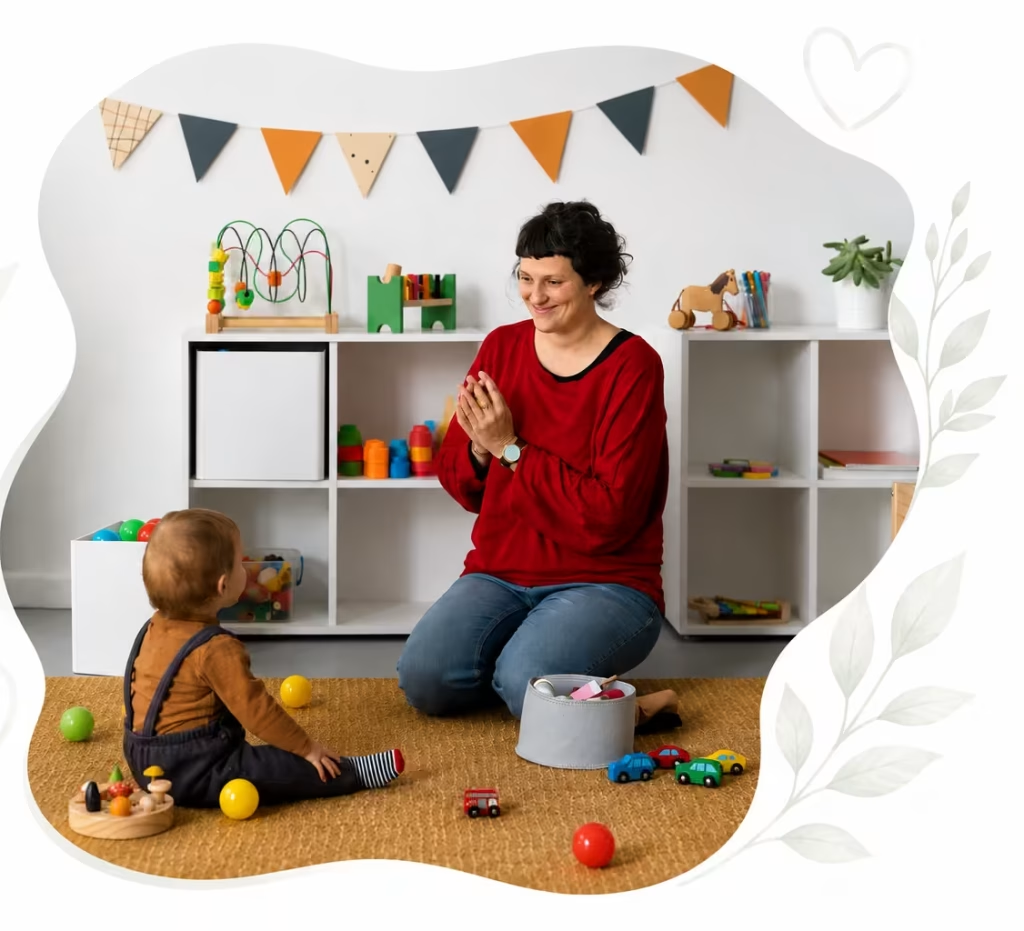
A Safe Space for Children to Express, Explore & Grow.
Play is one of the most natural ways children communicate and make sense of their world. When words are difficult, play gives children another way to express their thoughts, feelings, and experiences. At Healing Hearts, play therapy provides a supportive space for children to explore emotions, build coping skills, and work through challenges at their own pace.
Depending on the child’s needs, therapy may include child-centered play, sensory activities, sandtray, Theraplay-informed techniques, creative activities, and parent or family involvement.
Child-Centered Play
A natural way for children to express emotions, explore experiences, and communicate through play.
Sensory & Creative Play
Hands-on activities that help children explore, regulate, and engage in ways that feel comfortable to them.
Sandtray & Imaginative Play
Creative activities that give children space to explore their feelings, relationships, and experiences.
Support for What Your Child Is Experiencing.
Anxiety & Worry
Helping children explore worries and develop healthier ways to cope with difficult emotions.
Emotional Regulation
Supporting children as they learn to recognize, express, and manage their emotions.
Behavior Challenges
Helping children explore the emotions and experiences connected to challenging behaviors while developing new skills.
Trauma & Difficult Experiences
Providing a safe therapeutic relationship where children can begin to process difficult experiences at an appropriate pace.
Family Changes
Supporting children as they adjust to changes within their family, relationships, or home environment.
Self-Esteem
Helping children build confidence, recognize their strengths, and develop a stronger sense of self.
Social Skills
Supporting communication, connection, problem-solving, and healthy interactions with others.
A Thoughtful Process, One Step at a Time
Getting Started
Initial Assessment
Personalized Care
Ongoing Support

You Don't Have to Navigate It Alone
Seeking therapy for your child can come with questions and uncertainty. Parents and caregivers are an important part of understanding a child’s needs and supporting progress. Depending on the child, therapist, and treatment approach, parents or caregivers may be involved in different ways throughout the therapeutic process.
Our goal is to create a collaborative experience that supports your child while helping you better understand what they may be experiencing and how you can support them along the way.
Care Built Around Connection.
Developmentally Responsive
Care that considers each child’s age, stage, personality, and individual needs.
Child-Centered
A therapeutic environment where children can communicate and participate in ways that feel natural to them.
Family-Informed
Supporting the relationships and caregivers that are part of a child’s world.
Compassionate & Supportive
A safe, welcoming space where children can feel heard, understood, and respected.
Questions About Play Therapy?
Play therapy is designed to meet children at their developmental level. The appropriate approach depends on the individual child, their needs, and their treatment goals.
Play is a natural way for children to communicate and explore their experiences. It can provide another way to express feelings and practice skills when talking directly about difficult experiences may be challenging.
The beginning of therapy focuses on understanding your child, their background, current concerns, strengths, and goals. Your therapist will help determine an appropriate therapeutic approach.
Parent and family involvement can be part of the therapeutic process when clinically appropriate. The level and type of involvement may vary depending on the child, therapist, and treatment goals.
Parent and family involvement can be part of the therapeutic process when clinically appropriate. The level and type of involvement may vary depending on the child, therapist, and treatment goals.
The length of therapy varies based on the child’s needs, goals, circumstances, and progress. Your therapist will work collaboratively with you throughout the process.
Play therapy may be used to support concerns including anxiety, emotional regulation, behavior challenges, trauma, family changes, self-esteem, and social skills when clinically appropriate.
Every child is different. Requesting services is a good first step toward discussing your child’s needs and determining whether Play Therapy may be an appropriate fit.